For 175 years, Florida State University has been shaped by pivotal moments and the people behind them. This timeline highlights the defining milestones, achievements, and leaders that have guided the university since its founding in 1851. From early beginnings to growth as a major research university, these milestones reflect FSU’s lasting commitment to academic excellence and public service.
Milestones
-
Foundation
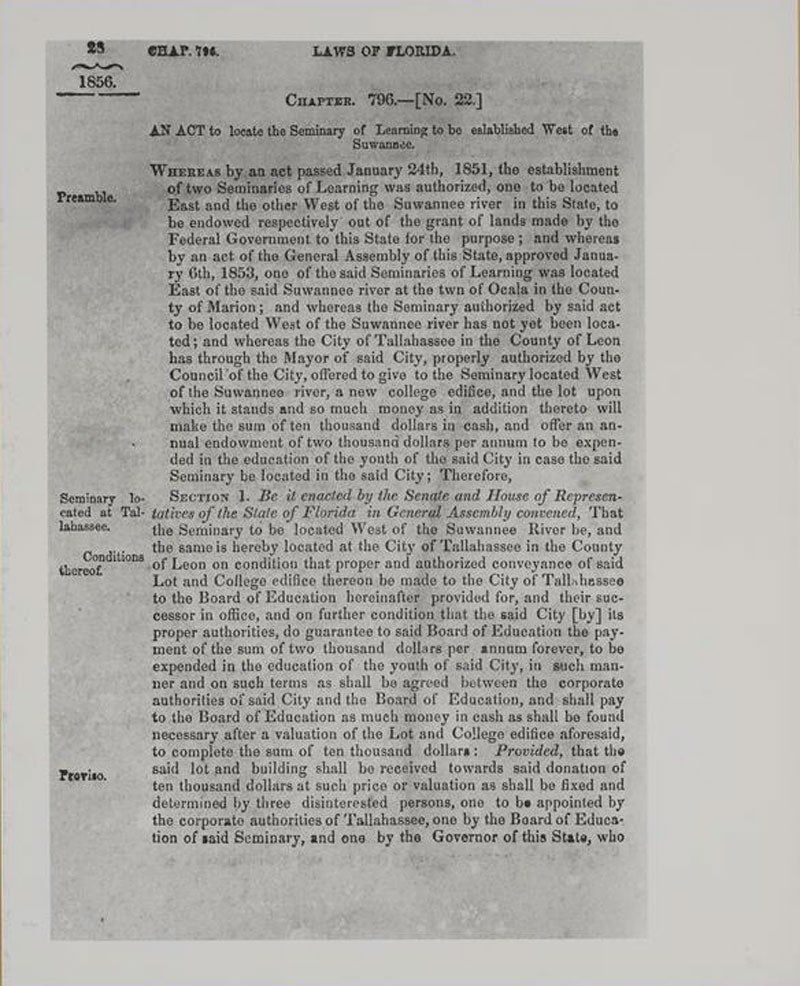
January 24, 1851On Jan. 24, 1851, the General Assembly of Florida passes an act to open two seminaries of learning, one to be located east of the Suwannee River and the other to the west of it. Tallahassee leaders work diligently to be selected as the site for the school, laying the groundwork for what will eventually become Florida State University.
-
Seminary Established at Westcott
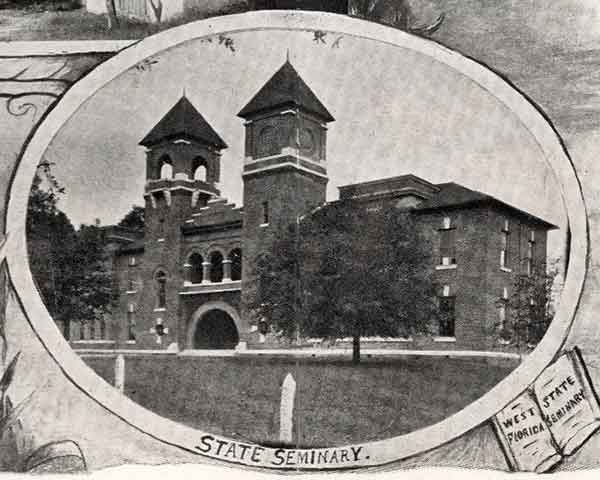
January 1, 1857On Jan. 1, 1857, the Florida Legislature accepts Tallahassee's proposal and passes a bill making Tallahassee the official site of the seminary west of the Suwannee River. That same year, the institution begins offering postsecondary instruction to male students as the West Florida Seminary on the land where the Westcott Fountain and Plaza now stand.
-
Shift to Coeducation
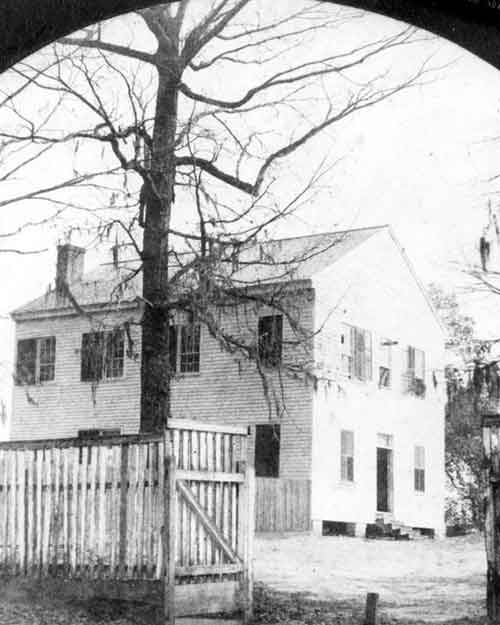
1858The school opens on a 10-acre site but does not initially admit women. In 1858, after incorporating the Tallahassee Female Academy, the administration begins allowing women to attend.
-
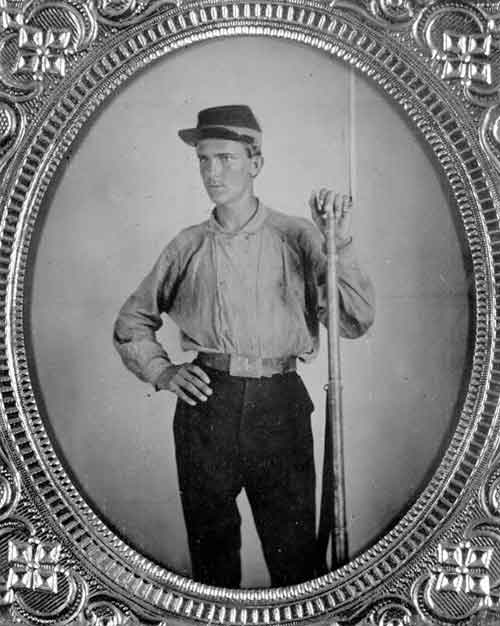
Civil War Transformation
1863The school operates as the Florida Collegiate and Military Institute starting in 1863. In 1865, cadets from the school joined in the Battle of Natural Bridge, just south of the city, and prevent Union soldiers from capturing Tallahassee.
-
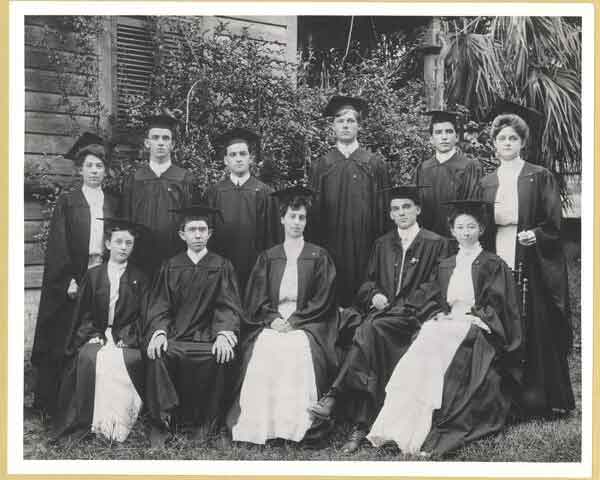
The Era of Florida State College
1901Under the leadership of Albert Alexander Murphree, the school becomes Florida State College, a four-year institution. The four original colleges of FSC are Arts and Sciences, Education, Home Economics and Music.
-
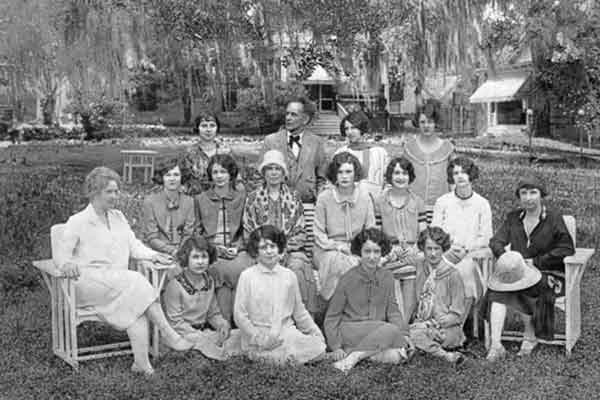
Transformation to Women's College
June 5, 1905The Buckman Act transforms Florida State College into Florida Female College, later renamed to Florida State College for Women (FSCW) in 1909. Starting with a student body of 204, the institution emerges as a leading center for women’s higher education in the South.
-
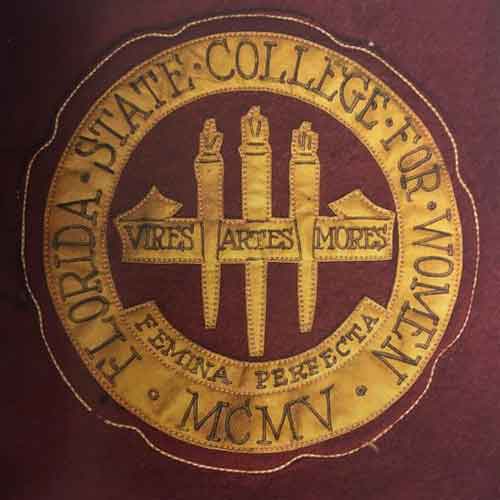
Creation of the Seal
1912Agnes Granberry, an art student and member of the Class of 1912, creates the original design for the school motto and seal: three torches side by side with the Latin words “Vires, Artes, Mores” — or “Strength, Skill, and Character” — printed on a ribbon entwined through them. The triple purpose of the college is to prepare its students physically, mentally and morally to produce Femina Perfecta, the completed woman.
-
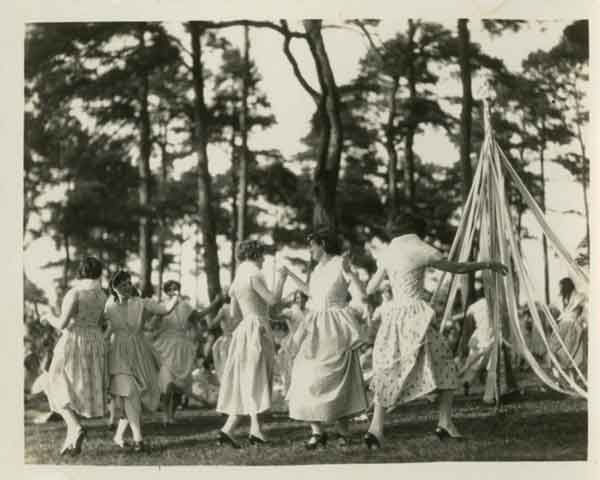
Social Change and Campus Expansion
1929The "Roaring 20's" brings to campus new social concepts that are taking hold across the nation. During this period, a more liberated and independent student body emerges at the Florida State College for Women. By the end of the 1920s, FSCW expands to 300 acres, with nearly all present-day structures east of Woodward Avenue built, including Jennie Murphree Hall, Gilchrist Hall, and Dodd Hall.
-
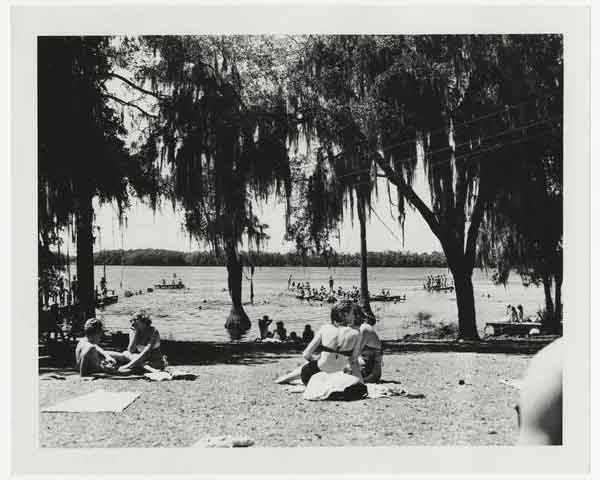
FSCW Navigates the Great Depression
1938During the 1930s, Florida State College for Women experiences rapid growth under President James M. Conradi, becoming the third largest women’s college in the nation despite the Great Depression. In 1938, the Florida Legislature approves the construction of Landis Hall to address housing shortages, while Camp Flastacowo, now known as FSU Lakefront Park, grows popular as a low-cost activity for students. By the end of the decade, total enrollment exceeds 2,000 students.
-
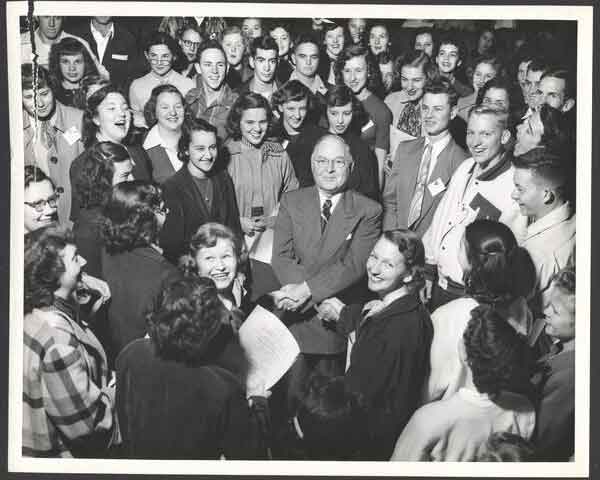
Doak Campbell Begins Presidency
July 1, 1941Doak Campbell becomes university president, confronting severe overcrowding and the pressures of World War II. By 1942, troops stationed in the region for defense are a regular presence on campus, leading the university to organize supervised social activities for students and soldiers.
-
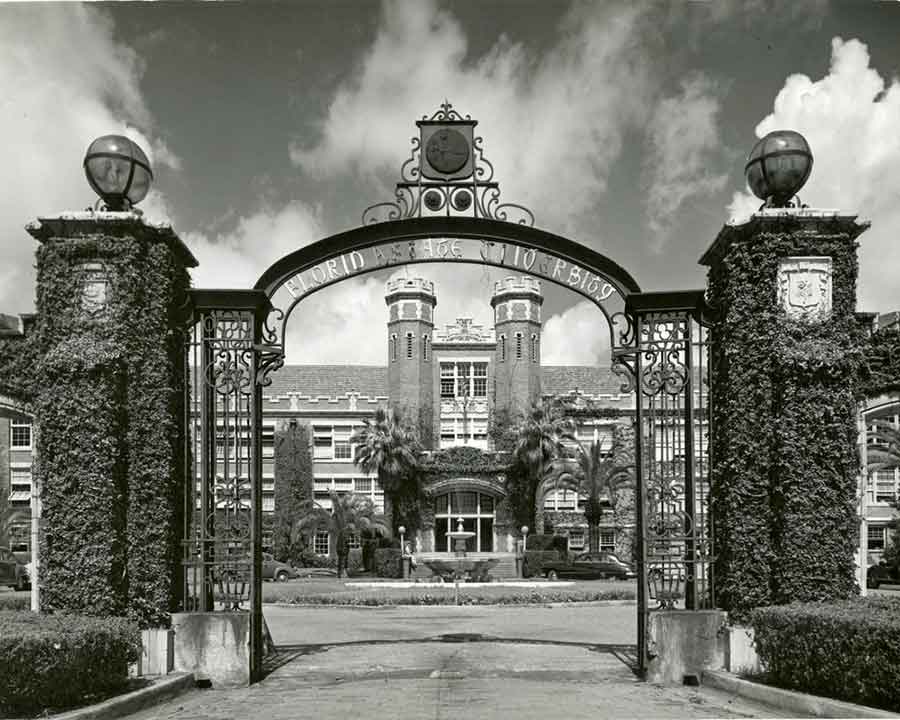
Florida State University Emerges
May 15, 1947Governor Millard Caldwell signs a legislative act that returns the Florida State College for Women to coeducational status, putting an end to the first and only state-supported women's college in Florida. The governor’s signature officially changes the institution’s name to Florida State University.
-
FSU Establishes School of Hospitality
1947Florida State University establishes the School of Hospitality, making it the second-oldest hospitality management program of its kind at a public university in the United States. In 2020, the program is recognized as the Dedman College of Hospitality, preparing leaders for careers across hospitality and service industries.
-
FSU Adopts the Seminoles Name and Launches the Flying High Circus
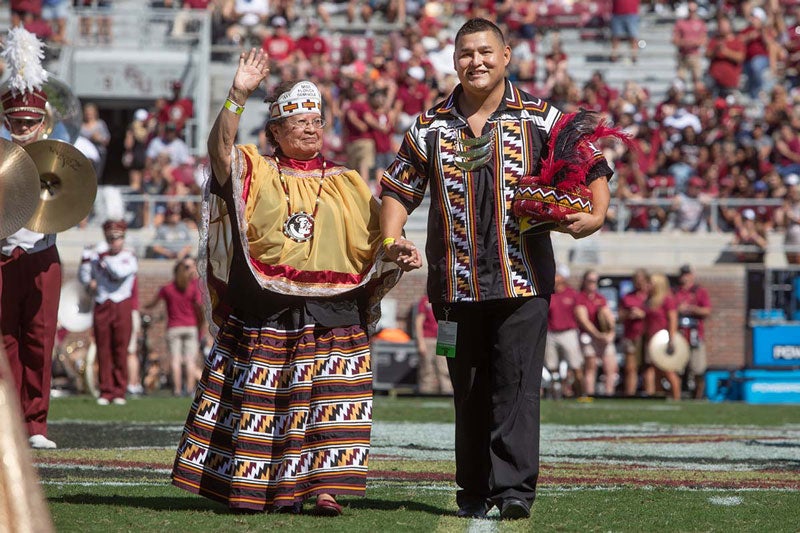
October 1947Florida State University students choose “Seminoles” as the name for the university’s athletics teams, in tribute to the Seminole Tribe of Florida. In the decades that follow, the university works closely with the Tribe, whose guidance helps shape the respectful and appropriate use of Seminole names, symbols, and regalia as part of an enduring tradition. Around the same time, the Flying High Circus is founded to help integrate men and women at the newly coeducational university and continues today as one of only two collegiate circuses in the country.
-
FSU Establishes College of Nursing
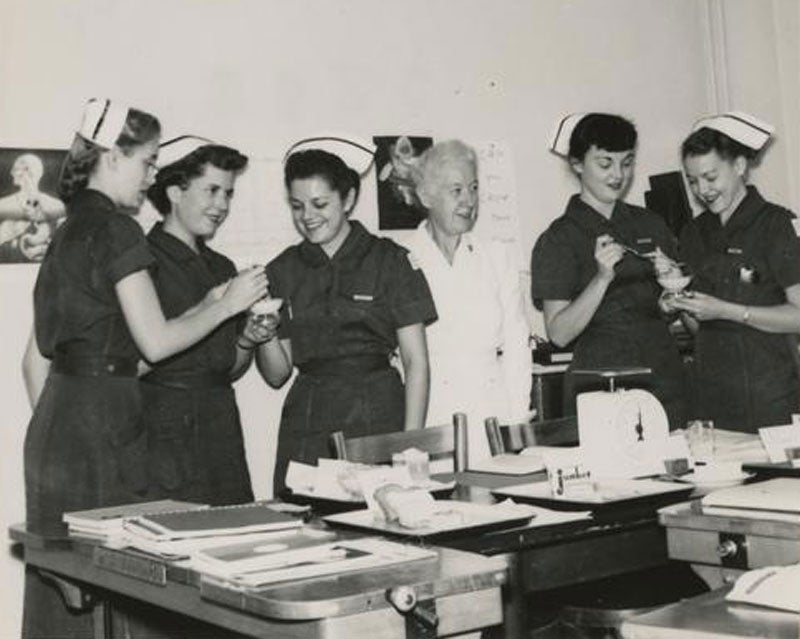
1949Florida State University formally establishes the College of Nursing as the first nationally accredited baccalaureate nursing program in the state of Florida, setting a statewide standard for nursing education and professional training.
-
FSU Founds School of Business
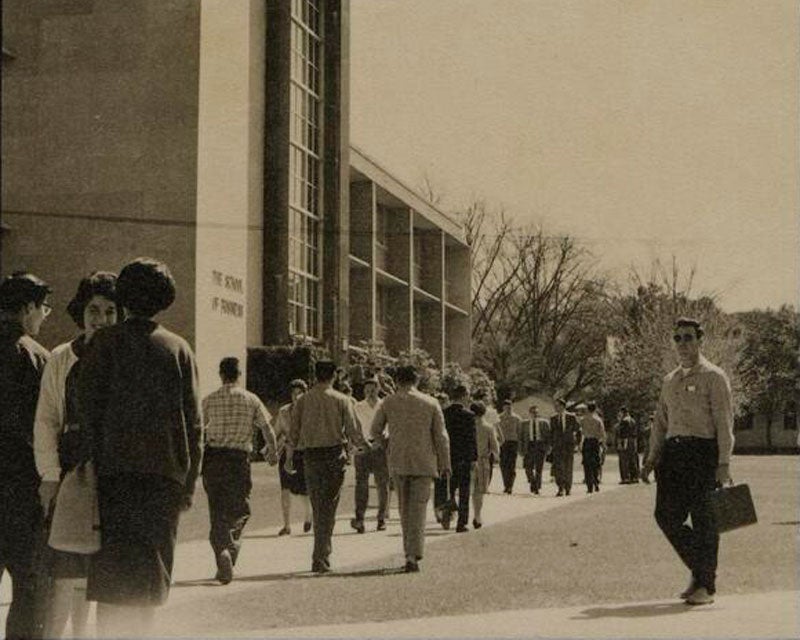
1950Florida State University establishes the School of Business in 1950, responding to the state’s growing need for business and professional leadership. The program steadily expands in academic offerings, earning formal recognition as the College of Business in 1974.
-
Athletics Rise in Popularity and New Traditions Begin
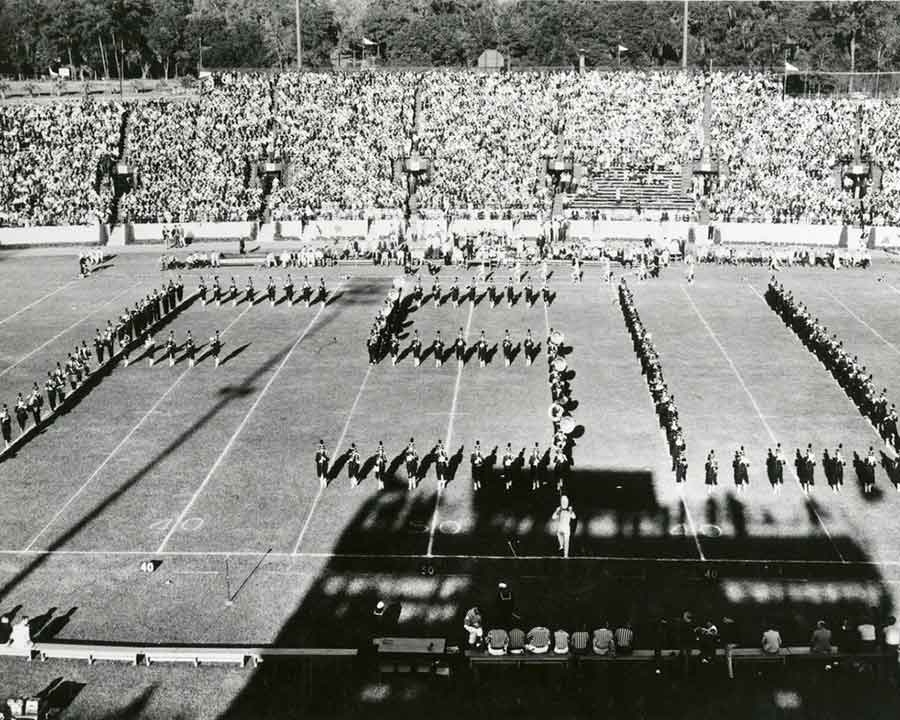
1950Athletics emerge as a central part of campus life as a new football stadium is built in honor of President Doak Campbell. During this period, the FSU fight song debuts, and the university band officially adopts the name Marching Chiefs, establishing traditions that continue to define Seminole spirit.
-
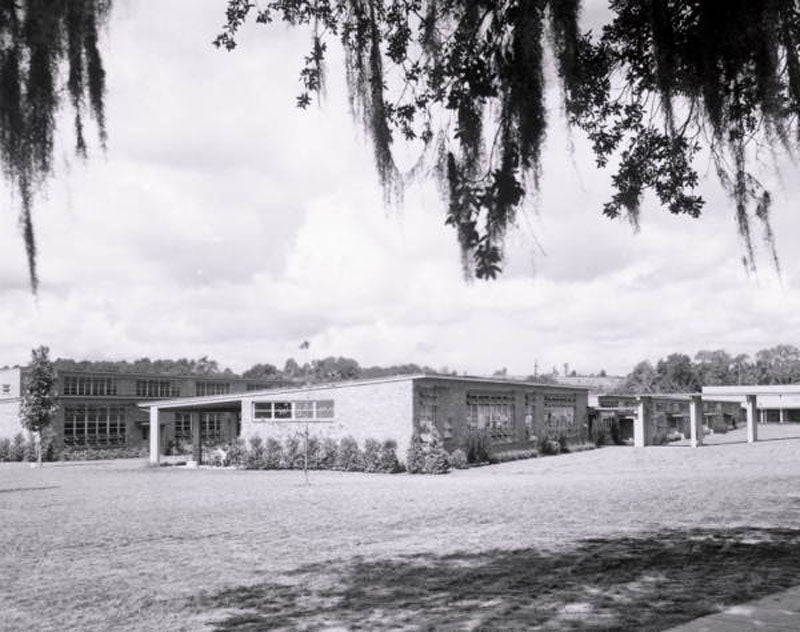
FSU Establishes Florida State University School
1954Florida State University establishes the Florida State University School, known as Florida High, connecting K–12 education with hands-on teacher training and research that extends beyond campus.
-
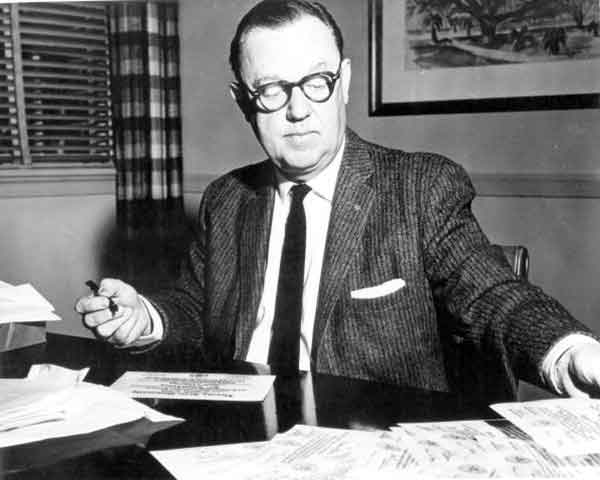
Robert M. Strozier Begins Presidency
September 1, 1957Robert M. Strozier becomes president of Florida State University after 28 years of college teaching and administration in three Georgia institutions. Students appreciate him for his ready wit, and he establishes a great rapport with FSU faculty. The university’s main library is later named in his honor.
-
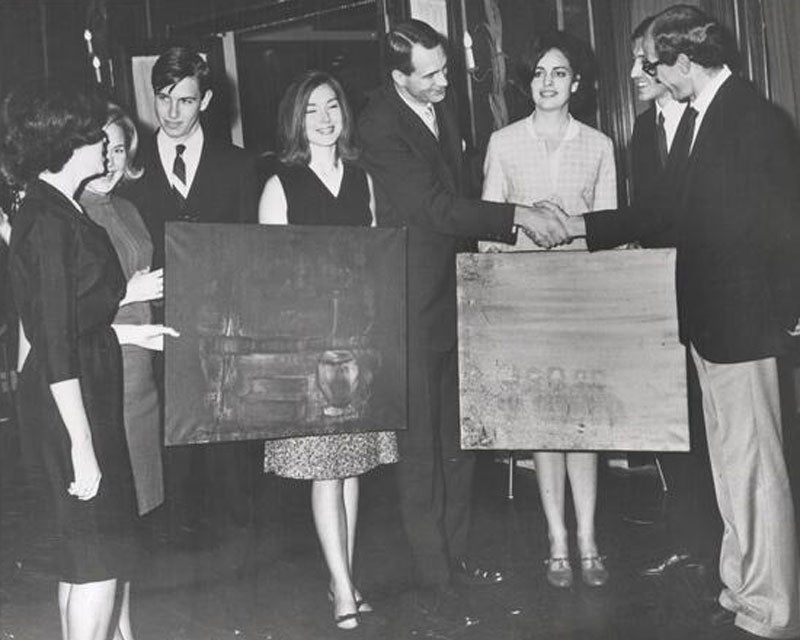
Expansion of Global Education
1960sAs total enrollment exceeds 10,000, Florida State University builds on its overseas presence through its new branch campus in the Republic of Panama and its first permanent international study center in Florence. In later decades, FSU expands with study centers in London and Valencia and international education programs across the world.
-
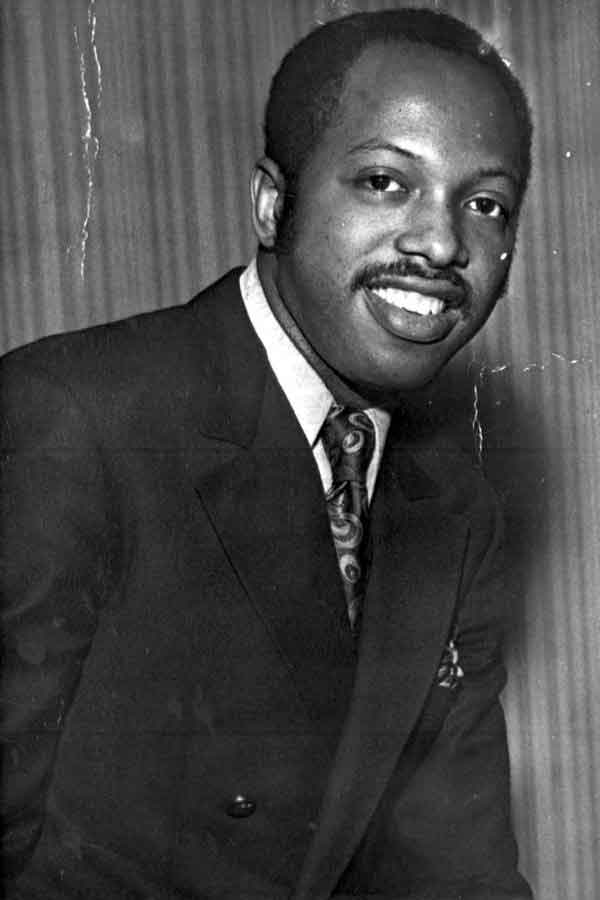
Maxwell Courtney Enrolls as FSU’s First Black Undergraduate Student
1962Maxwell Courtney, a Tallahassee native, becomes the first Black undergraduate to enroll at Florida State University. He graduates cum laude in 1965 with a degree in mathematics and minors in English and French, later pursuing a career in Washington, D.C., where he serves as a systems management consultant to the Smithsonian Institution.
-
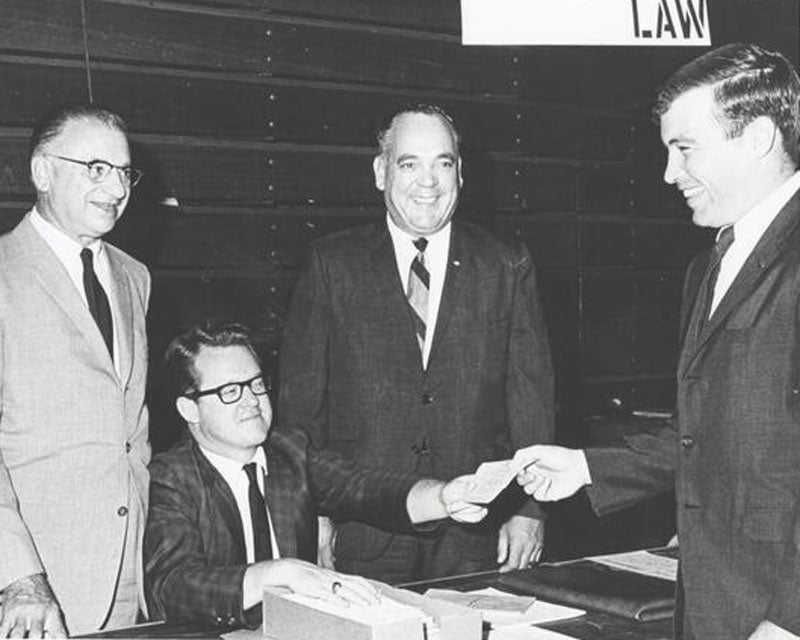
FSU Establishes College of Law
1966FSU forms the College of Law in 1966, highlighting a major expansion into legal education and preparing future leaders for careers in law, government, and public service.
-
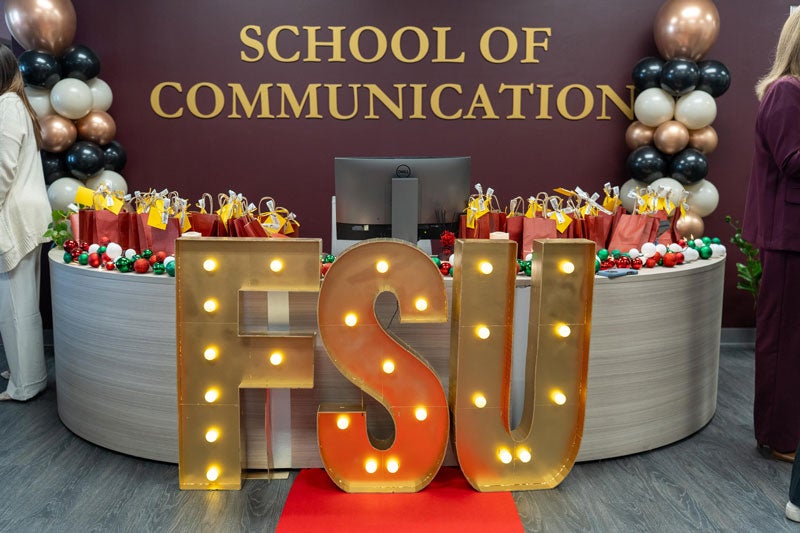
FSU Establishes School of Communication
1967Florida State University establishes the School of Communication in 1967. In 2009, it merges with the School of Information to form the College of Communication and Information, bringing communication, media, and information disciplines together within a single academic unit.
-
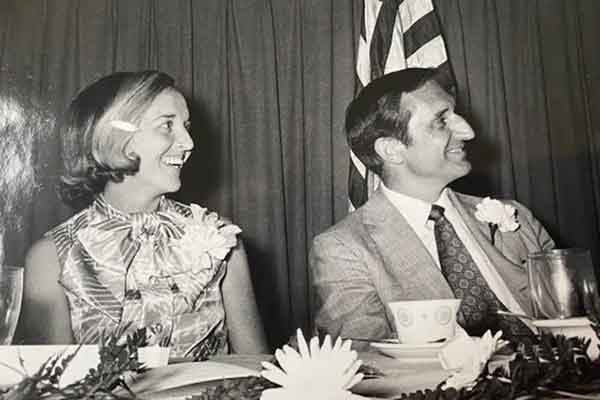
Stanley Marshall Begins Presidency
February 1969J. Stanley Marshall becomes president in 1969, with his leadership most notable for navigating significant student activism and advancing racial integration.
-
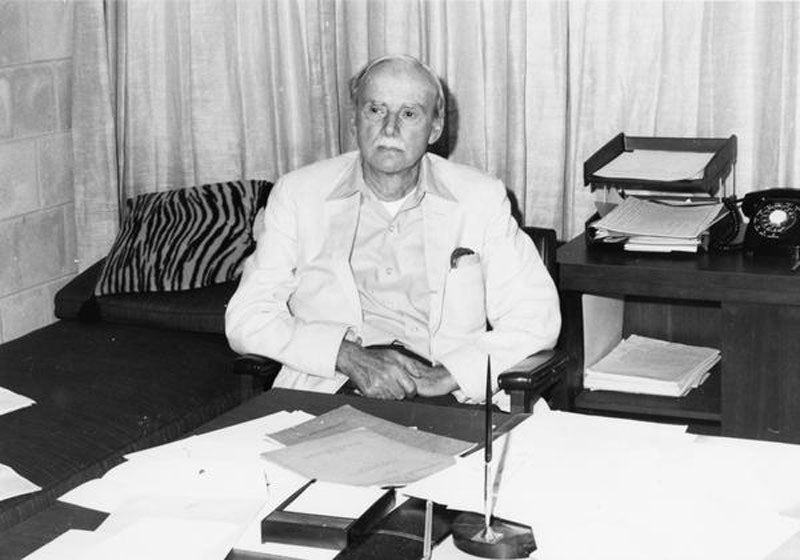
Paul Dirac Joins the Faculty, Shaping FSU’s Quantum Legacy
February 1972Renowned physicist Paul Dirac, a contemporary of Albert Einstein and a founding figure of quantum physics, joins the faculty in 1972. Widely regarded as the father of quantum mechanics, Dirac helps establish a strong foundation for theoretical physics at FSU. Today, the university continues to build on that legacy through significant investments in quantum science, research, and education.
-
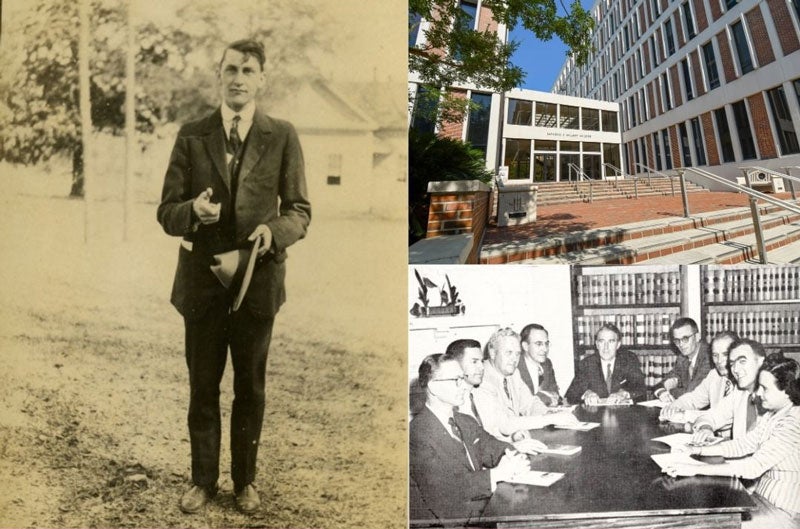
Academic Reorganization Forms New Colleges
February 1973In 1973-1974, Florida State University undergoes a university-wide academic reorganization that establishes the College of Social Sciences and the College of Criminology, while also restructuring programs in visual arts, theatre and social work, laying the groundwork for several others.
-
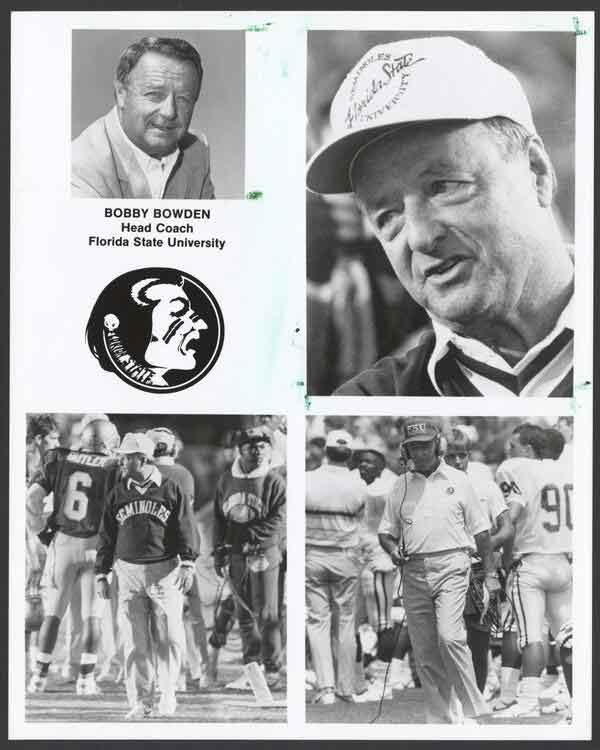
Bobby Bowden Becomes Head Football Coach
January 1976Florida State University appoints Bobby Bowden as head football coach in January 1976. His leadership marks the beginning of a new era for the program and sets the stage for decades of national prominence.
-
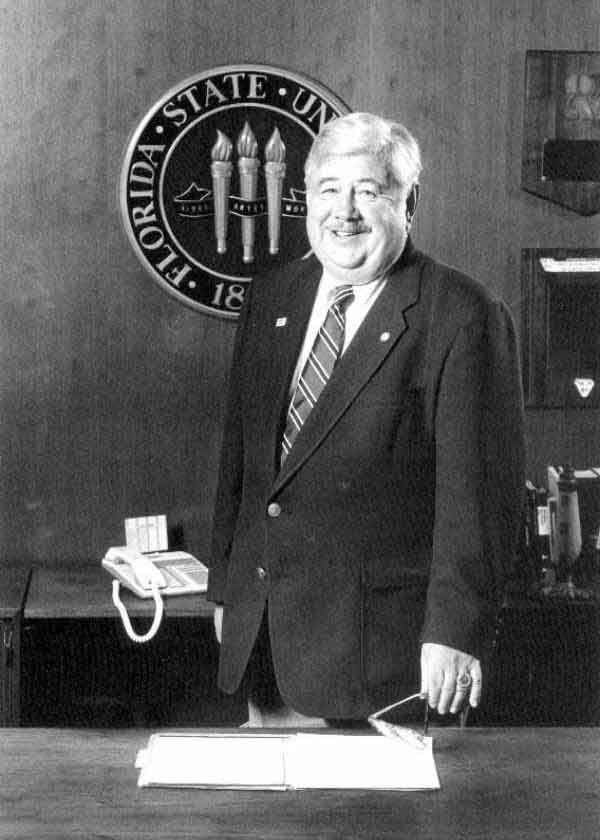
Bernard Sliger Begins Presidency
February 1977Bernard Sliger, a highly regarded economist, begins serving as president of Florida State University in 1977, as enrollment surpasses 20,000. Sliger provides forward-thinking leadership during a long period of unprecedented growth for the university.
-
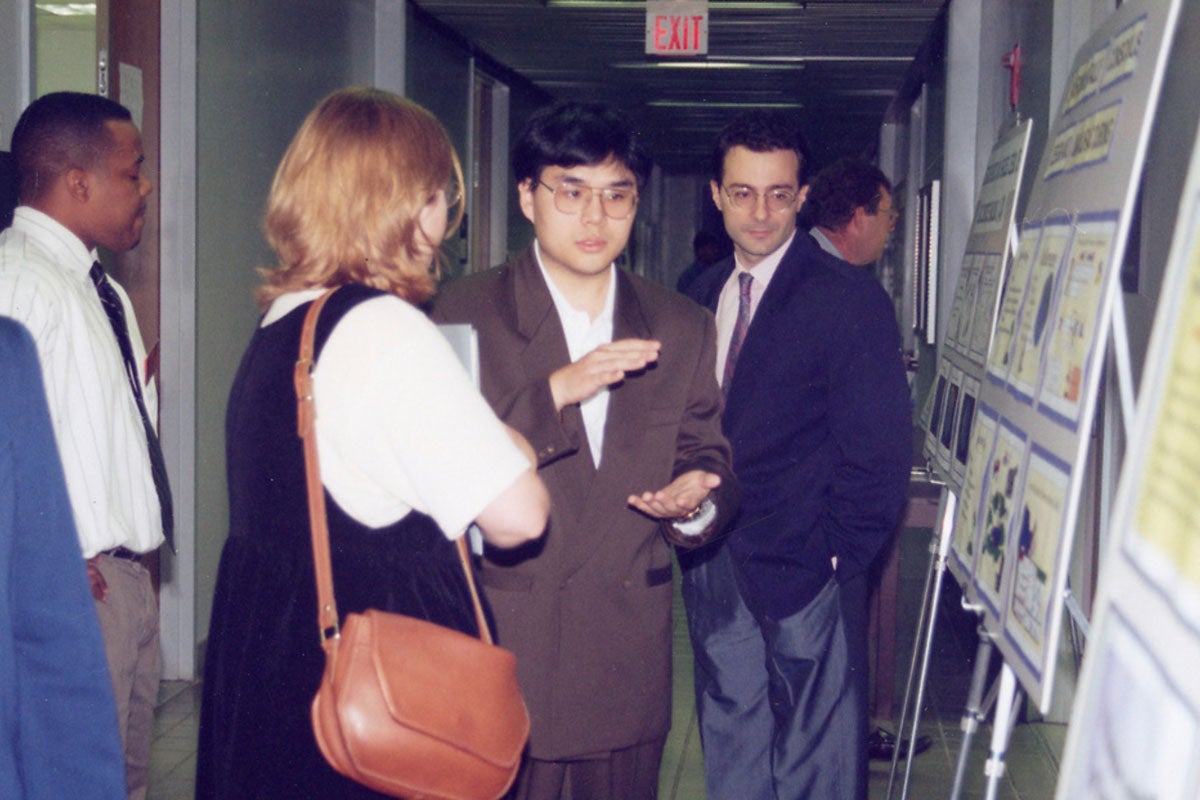
FAMU–FSU College of Engineering is Created
1982Established by the Florida Legislature, the FAMU–FSU College of Engineering is created as an academic partnership between Florida A&M University and Florida State University. It remains the nation’s only shared college of engineering, combining resources, faculty, and students from both universities within a single engineering school.
-
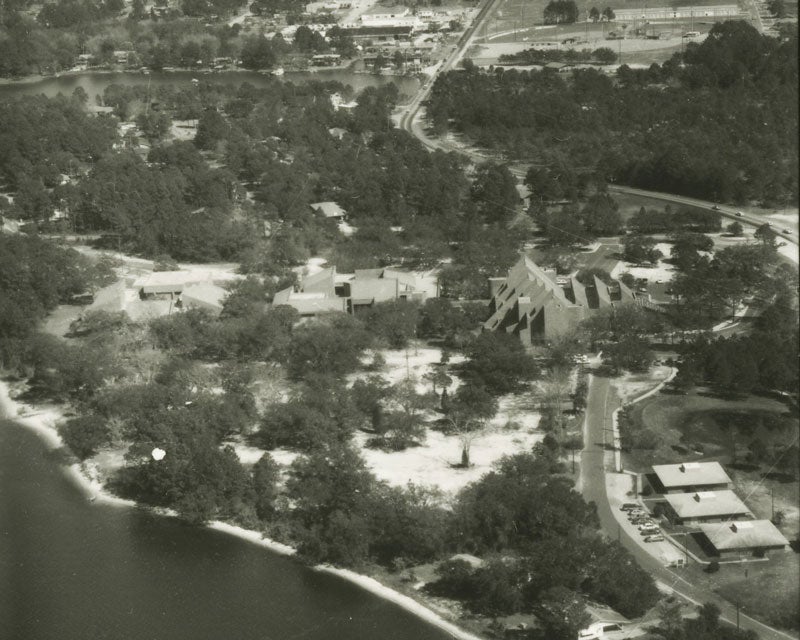
University Assumes Authority of Panama City Campus
July 1982Previously operated by the University of West Florida, the Panama City campus comes under Florida State University’s leadership in July 1982. Over time, the campus expands, later adding on-campus housing, a K–12 laboratory charter school serving military and local families, and the College of Applied Sciences in 2010.
-
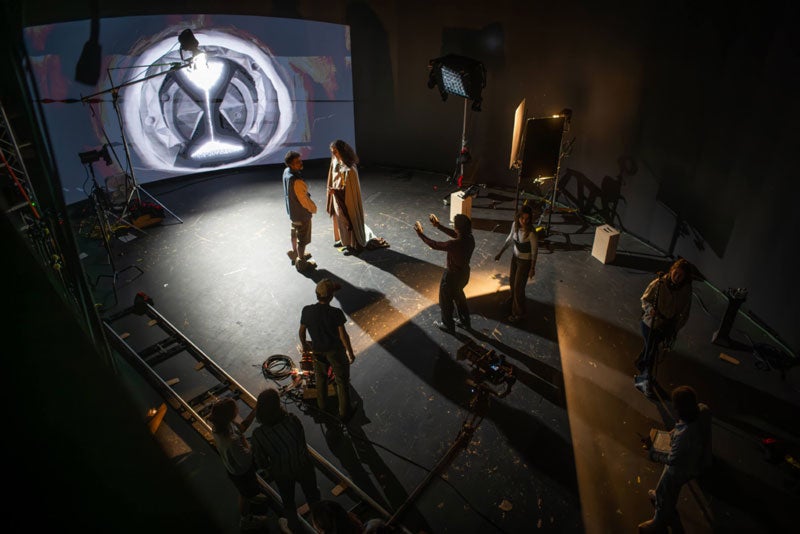
FSU Launches College of Motion Picture Arts
1989Florida State University establishes the College of Motion Picture Arts, one of only seven university-based film conservatories in the nation. In a short time, the college earns national recognition as an outstanding motion picture production program.
-
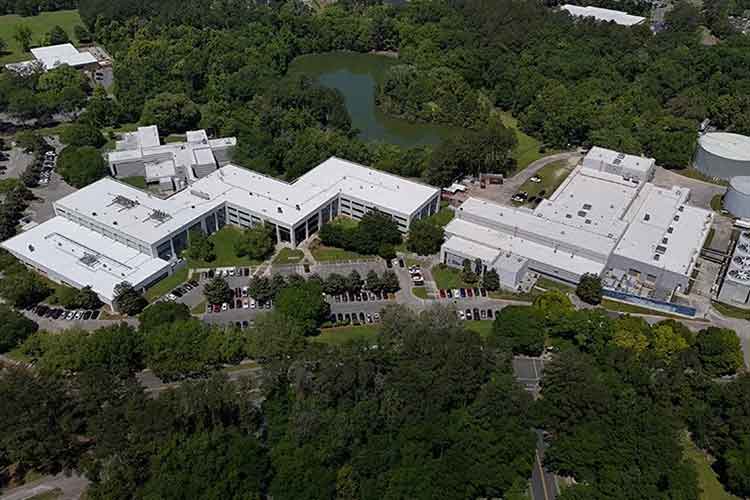
MagLab Moves to FSU
August 1990Following a stringent peer-review competition, the National High Magnetic Field Laboratory is awarded to Florida State University in August 1990. The selection brings the world’s most powerful magnet laboratory to campus and establishes FSU as a leader in cutting-edge magnetic field research. It is the only national laboratory in the state of Florida.
-
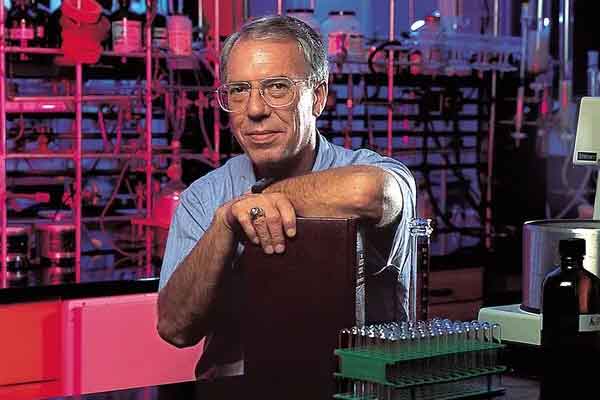
FSU Chemist Develops Taxol
1993Florida State University chemist Robert A. Holton wins the international race to achieve the first total synthesis of the cancer-fighting drug Taxol, saving and extending countless lives and creating over $83M in royalties and global recognition.
-

First Football National Championship Victory
January 1, 1994The 1993 Seminole football team wins its first national championship behind quarterback Charlie Ward, the school’s first Heisman Trophy winner. The Seminoles also win championships in 1999 and 2013.
-
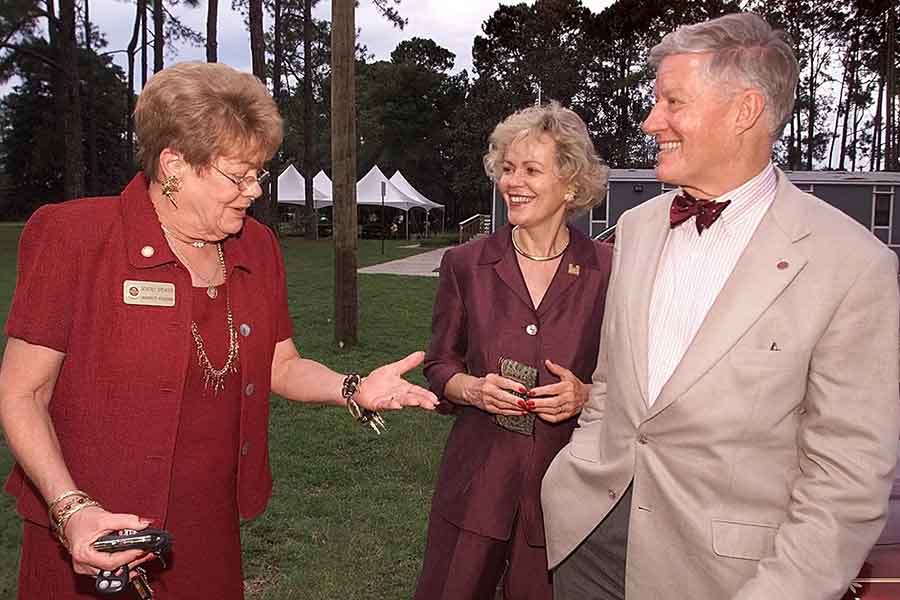
Sandy D’Alemberte Begins Presidency
January 1994Talbot “Sandy” D’Alemberte begins serving as FSU president during a period of growth, with enrollment exceeding 30,000. His tenure is marked by a strong commitment to academic excellence, intellectual freedom, and heritage and historic preservation.
-
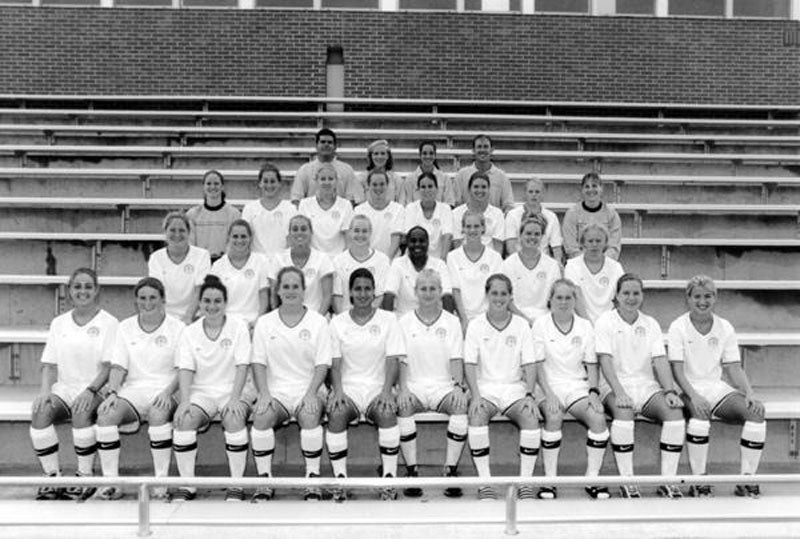
FSU Women’s Soccer Begins Intercollegiate Competition
1998Florida State University women’s soccer begins intercollegiate play in 1998 and quickly establishes itself as a national powerhouse. Over the next three decades, the program claims five NCAA national championships through the 2025 season, solidifying its place among the most successful programs in collegiate soccer.
-
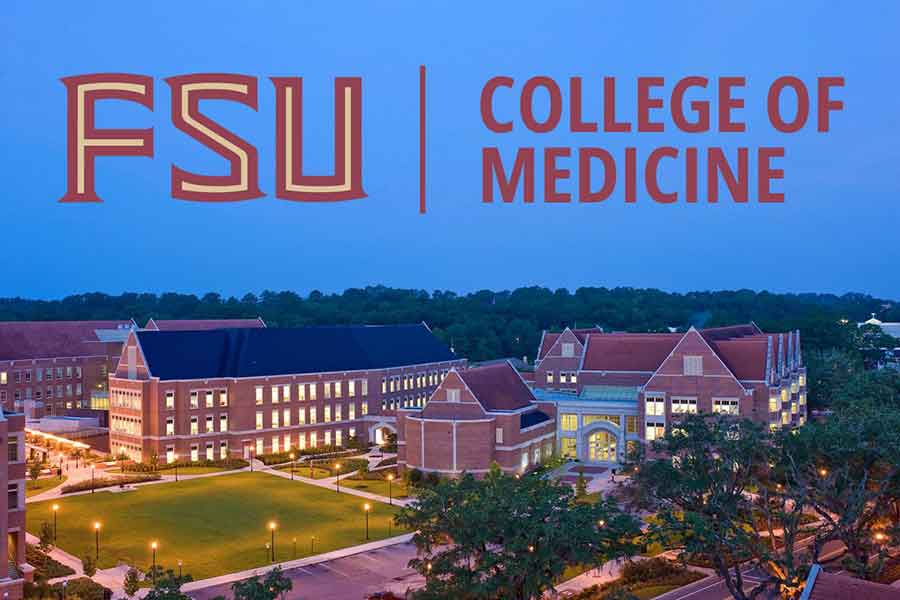
College of Medicine is Established
June 2000The Florida State University College of Medicine opens in June 2000 with a mission centered on community-based clinical training. From its founding, the program emphasizes early clinical experiences, teamwork, group study and patient-centered care.
-
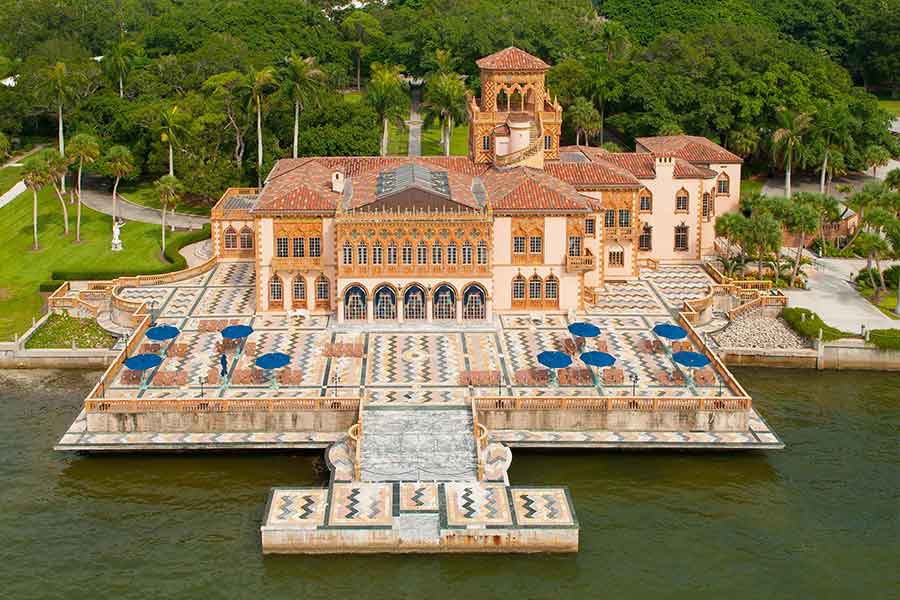
FSU Acquires the Ringling Museum
July 2000The Florida Legislature transfers stewardship of the John and Mable Ringling Museum of Art to Florida State University. FSU establishes the Ringling Center for the Cultural Arts, expanding the university’s reach in arts education. Today, the Ringling is thriving as one of America’s finest art museums.
-
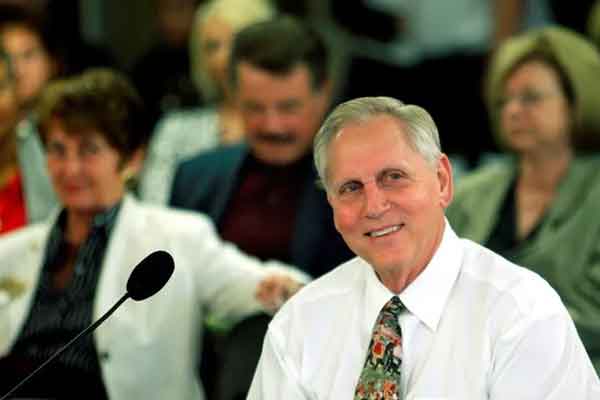
T.K. Wetherell Begins Presidency
January 2003During the tenure of T.K. Wetherell, the first alumnus to become president, FSU sets new records for research dollars and experiences a boom in campus construction. Projects include new research facilities, new residence halls, dining halls, parking garages, a general classroom building, the Alumni Center, renovation of Ruby Diamond Auditorium and a privately funded President’s House.
-
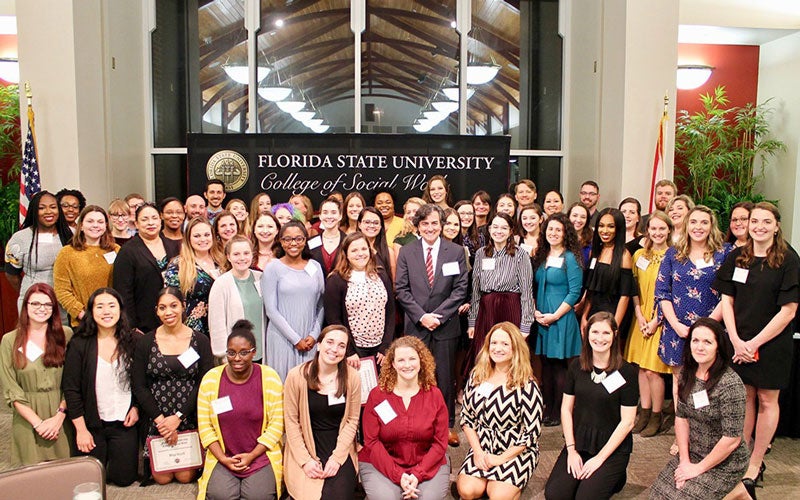
FSU Recognizes College of Social Work and College of Fine Arts
2005In 2005, Florida State University formally recognizes the social work program as the College of Social Work, continuing the evolution of a program rooted in the university’s early history. That same year, the College of Fine Arts is created by combining the former School of Visual Arts and Dance with the School of Theatre.
-
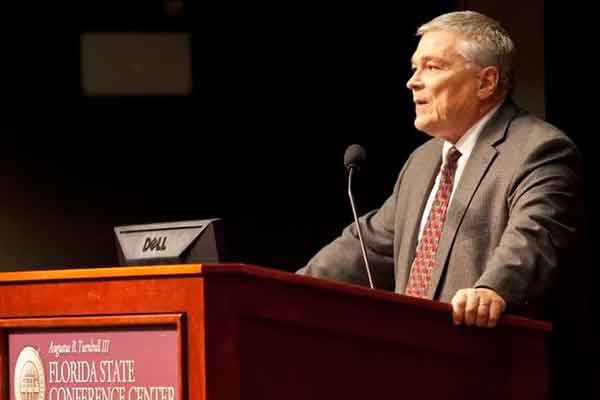
Eric J. Barron Begins Presidency
February 2010Eric J. Barron becomes the 14th president of Florida State University. During his tenure, he strengthens FSU’s ties to the broader community through collaboration with city, county, and chamber leaders and by serving on the Imagine Tallahassee steering committee, helping shape priorities for the region’s future.
-
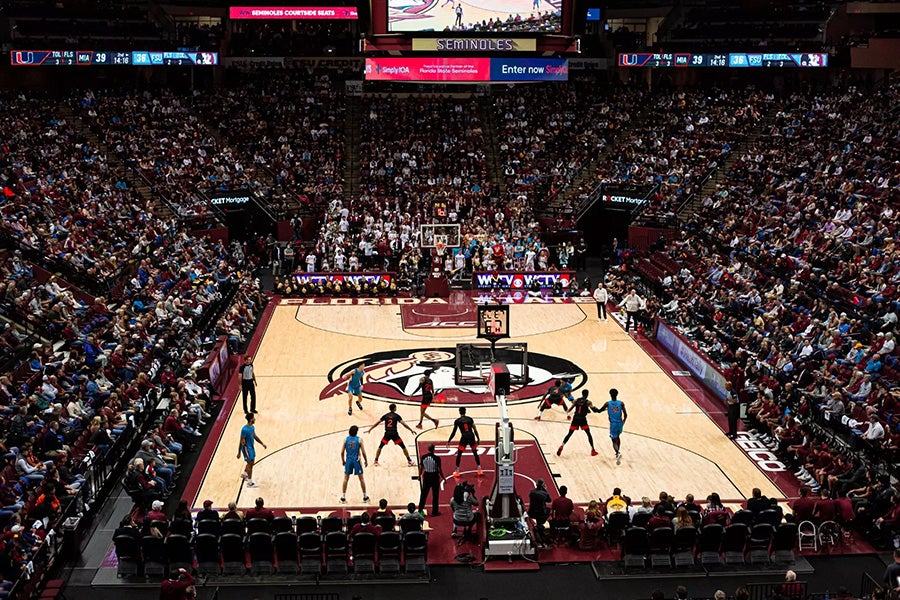
FSU Acquires Donald L. Tucker Civic Center
June 2012Florida State University acquires the Tallahassee – Leon County Civic Center and commits to revitalizing the arena and convention space. The venue allows the university to host major athletic events, concerts and conventions, strengthening the local economy and entertainment.
-
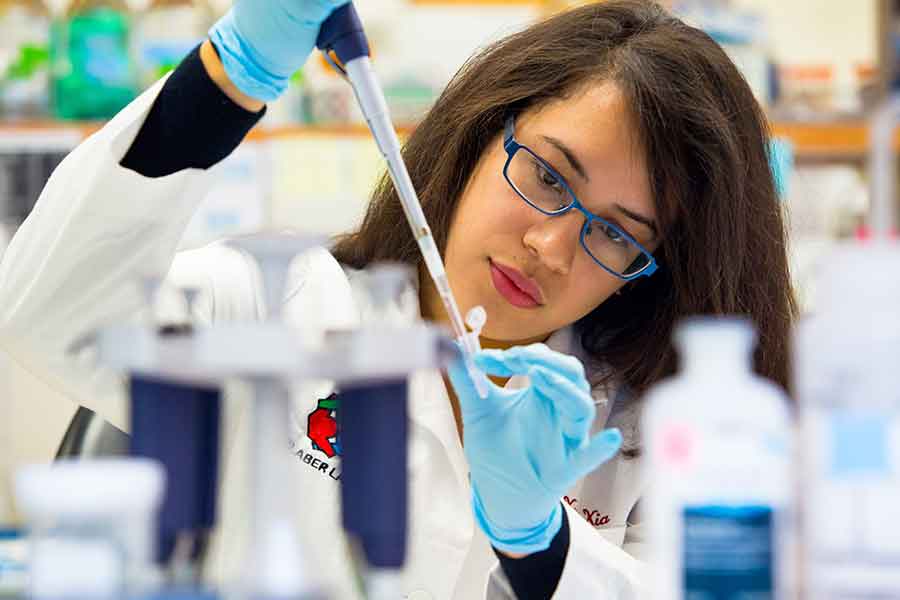
FSU Gains Preeminent Status in Florida
June 2013The Florida Legislature grants FSU preeminent status, driving major state investment in faculty hiring and research initiatives. The designation positions FSU for continued growth as a leading public university.
-
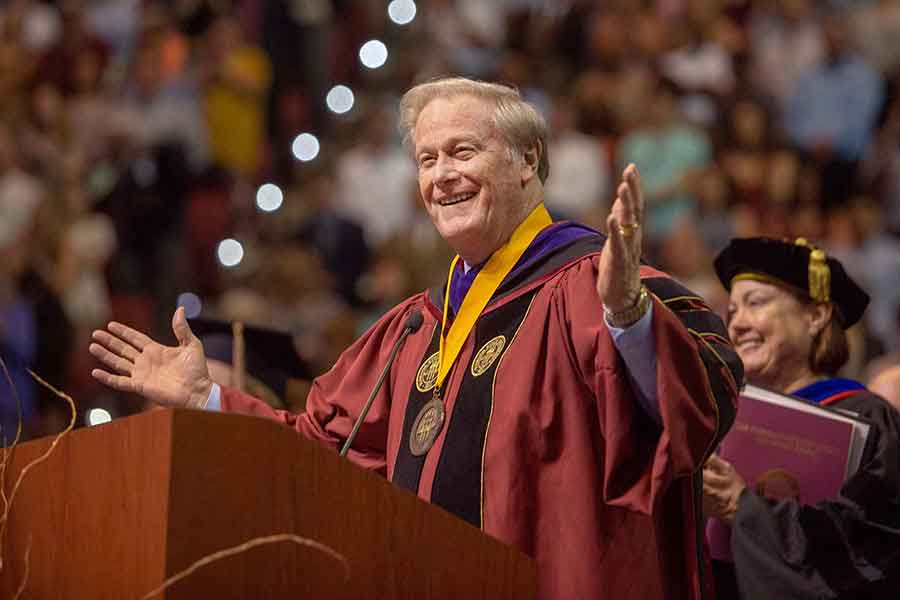
John Thrasher Begins Presidency
November 2014Two-time alumnus John Thrasher becomes 15th president of The Florida State University. As president, Thrasher focuses his efforts on elevating FSU’s reputation as a preeminent research institution and leads the university to recognition as one of the nation’s Top 20 public universities. In addition, he presides over a $1 billion fundraising campaign to fund scholarships, facilities and faculty research.
-
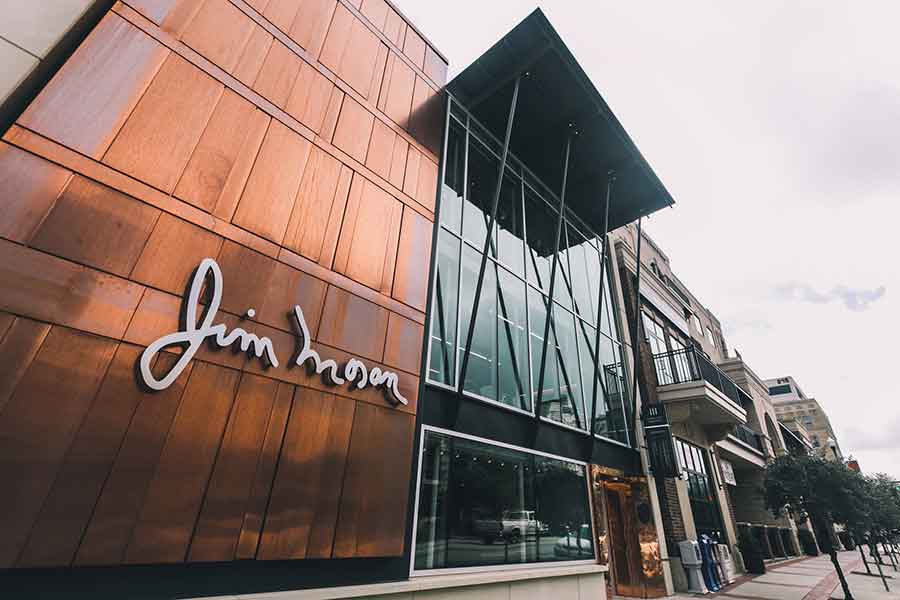
FSU receives $100M gift to create the Jim Moran School of Entrepreneurship
December 2015FSU receives a historic $100 million gift from Jan Moran and The Jim Moran Foundation, honoring the legacy of entrepreneur and philanthropist Jim Moran, to create the Jim Moran School of Entrepreneurship. The gift leads to the establishment of the Jim Moran College of Entrepreneurship in 2017, the first and only stand-alone college of entrepreneurship in the United States.
-
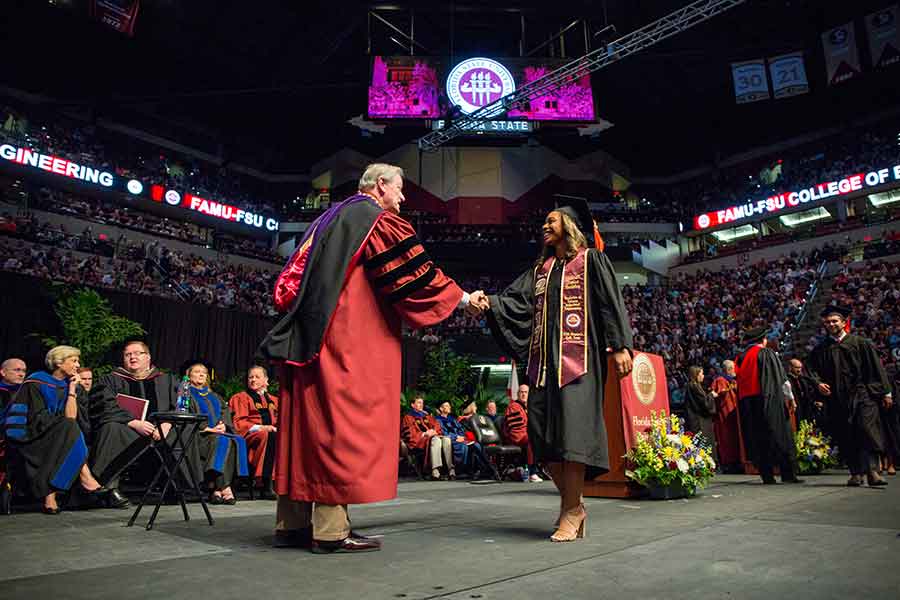
FSU Breaks into the Top 25
2019FSU enters the Top 25 national public universities in the 2019 U.S. News and World Report rankings, beginning a seven-year streak among the nation’s top public institutions.
-
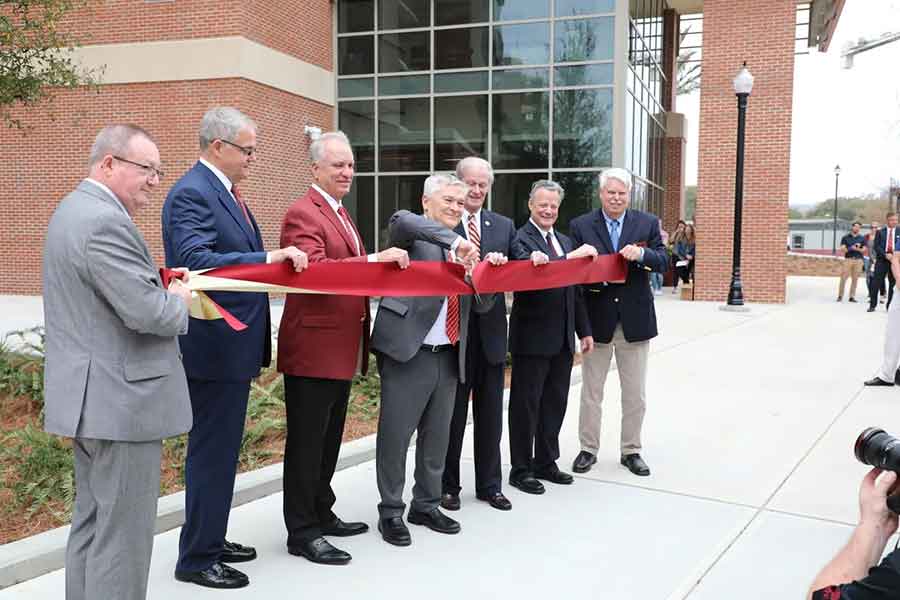
FSU Cuts Ribbon on Earth, Ocean and Atmospheric Science Building
February 2020FSU opens a new Earth, Ocean and Atmospheric Science Building to consolidate research and teaching space for environmental science, geology, meteorology, and oceanography. The new building brings faculty, students, and research programs together under one roof, featuring laboratories, collaborative spaces, and a broadcast meteorology studio.
-
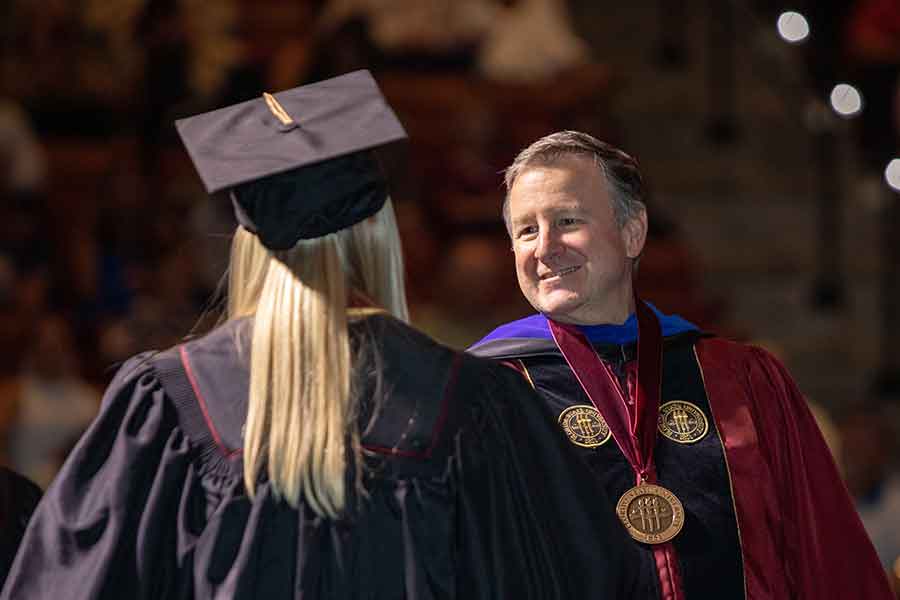
Richard McCullough Begins Presidency
August 2021Richard McCullough becomes the 16th president of Florida State University, bringing more than three decades of academic leadership experience to the role. As president, he works to strengthen FSU’s foundation as one of the nation’s top public universities by investing in student and faculty success as well as academic and research excellence.
-
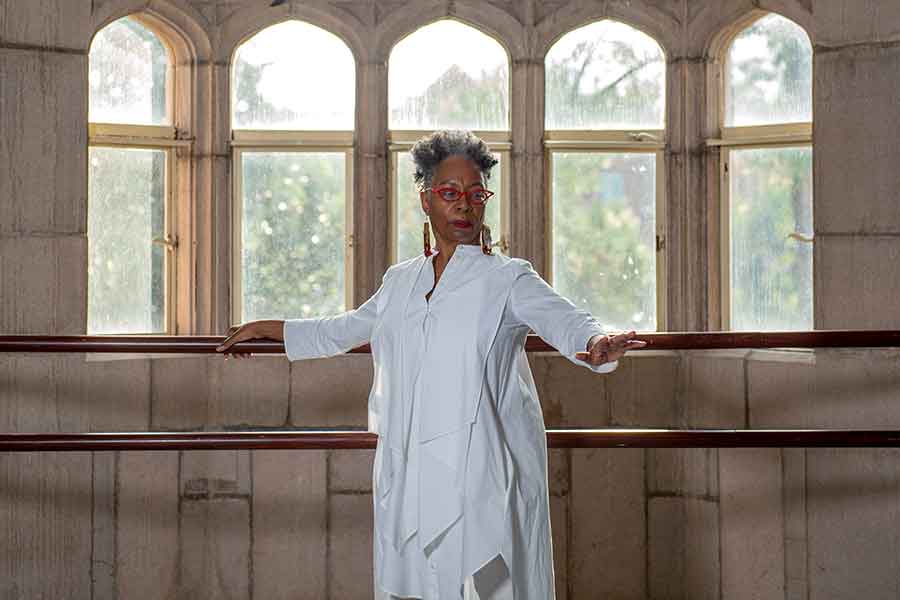
Jawole Willa Jo Zollar named 2021 MacArthur Fellow
September 2021Jawole Willa Jo Zollar, a professor in the FSU School of Dance and founder of Urban Bush Women dance company, receives a 2021 MacArthur Fellowship. She becomes the first FSU faculty member to earn the award, which recognizes individuals for exceptional originality and dedication to their creative work.
-
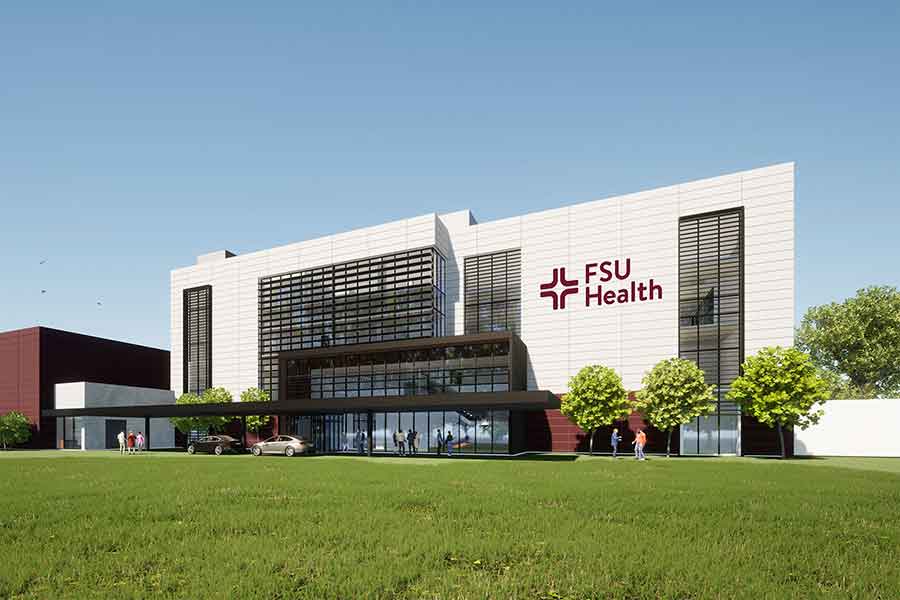
FSU Launches FSU Health
March 2022FSU partners with Tallahassee Memorial HealthCare to build a new academic research building, aiming to transform healthcare in North Florida. The initiative is backed by a $125 million investment from the State of Florida, awarded in 2022 to support the project’s development.
-
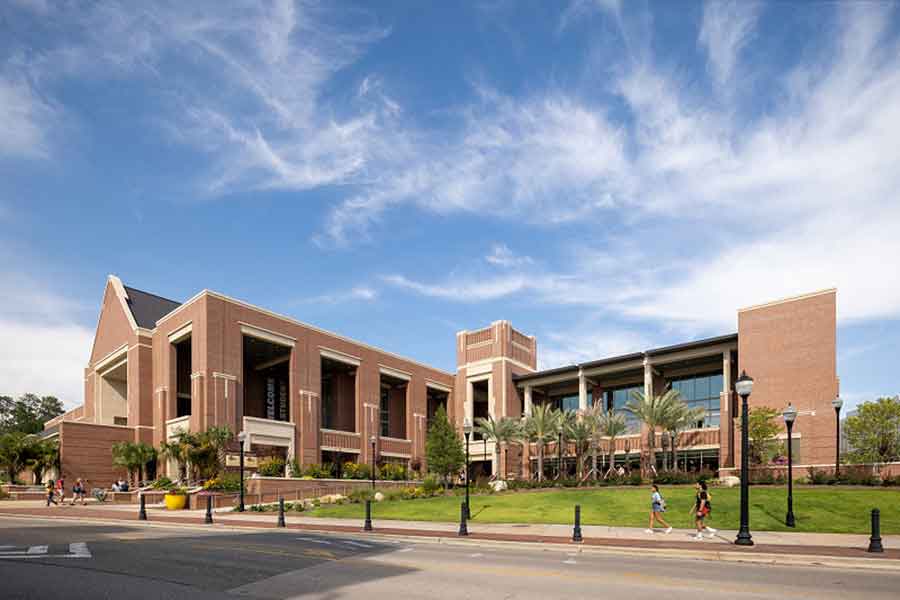
FSU Opens Transformative New Student Union
September 23, 2022President McCullough opens the doors of the new, 300,000-square-foot Student Union with a ribbon-cutting celebration. The building includes space for recreation, dining, studying and student groups. The new facility plays a keys role in elevating the college experience and bringing the FSU community closer together.
-
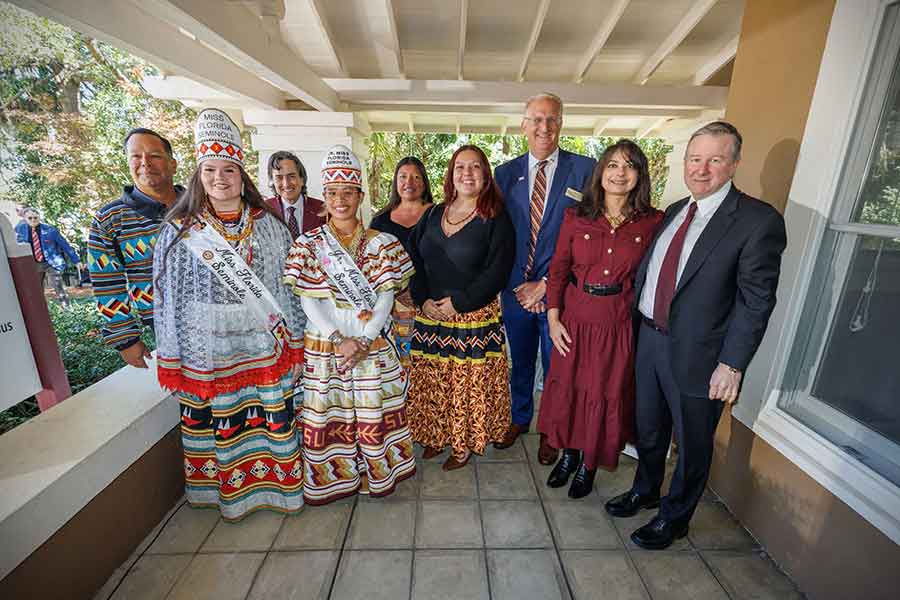
The Native American and Indigenous Studies Center Opens
November 2023FSU launches the Native American and Indigenous Studies Center, strengthening the university's academic dedication to Indigenous history and its relationship with the Seminole Tribe of Florida. The center creates a dedicated space for research and community engagement, supporting new programs, cultural initiatives, and partnerships that deepen understanding of Indigenous experiences across Florida and beyond.
-
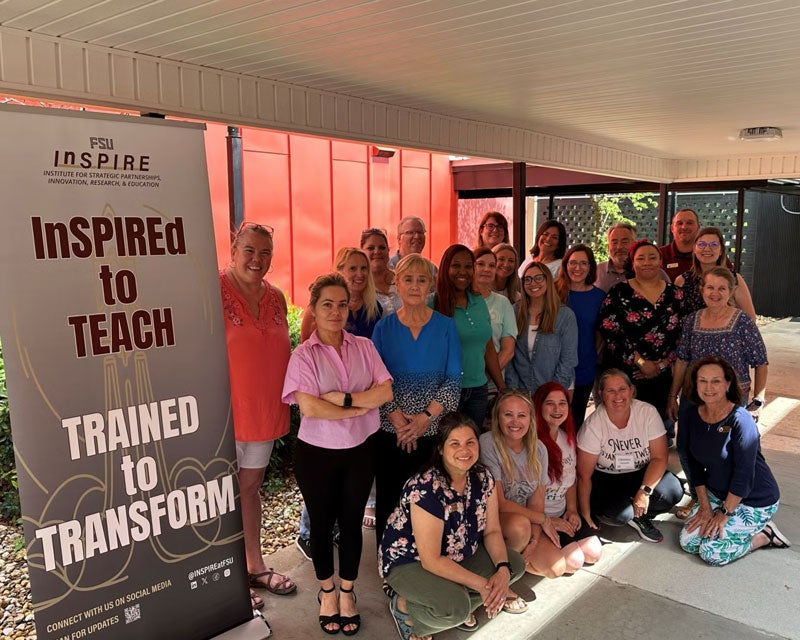
FSU Receives $98 Million for InSPIRE
November 2023A $98 million investment moves Florida State University’s InSPIRE initiative forward, supporting new aerospace and advanced manufacturing facilities in Bay County and creating new opportunities for workforce training and research across Northwest Florida.
-
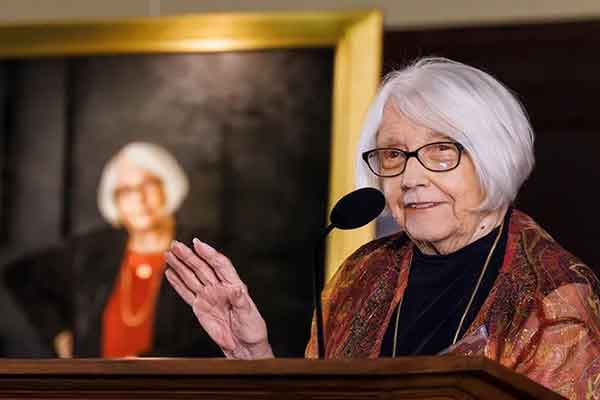
FSU Dedicates Anne Spencer Daves College of Education, Health, and Human Sciences
November 2024Florida State University alumna Anne Spencer Daves, who spent 30 years as a fourth-grade educator in Central Florida, makes a transformational gift to the College of Education, Health, and Human Sciences. Her support helps shape the future of FSU’s next generation of educators.
-
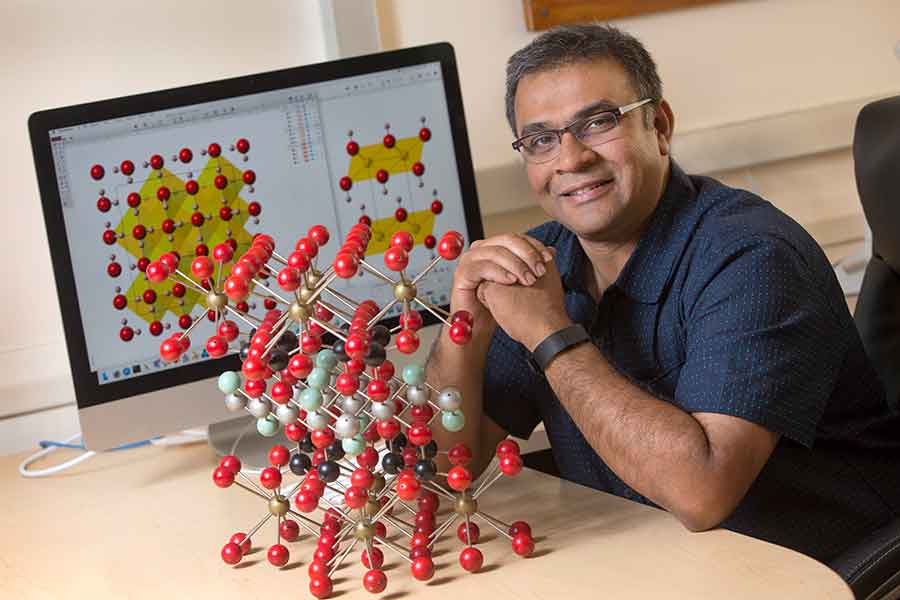
FSU Sets New Benchmarks in Research
2025FSU faculty submit $1.22 billion in research proposals and total $487 million in research expenditures, marking a nearly 50% increase since 2021 and reinforcing FSU’s standing as a leading research institution.
-
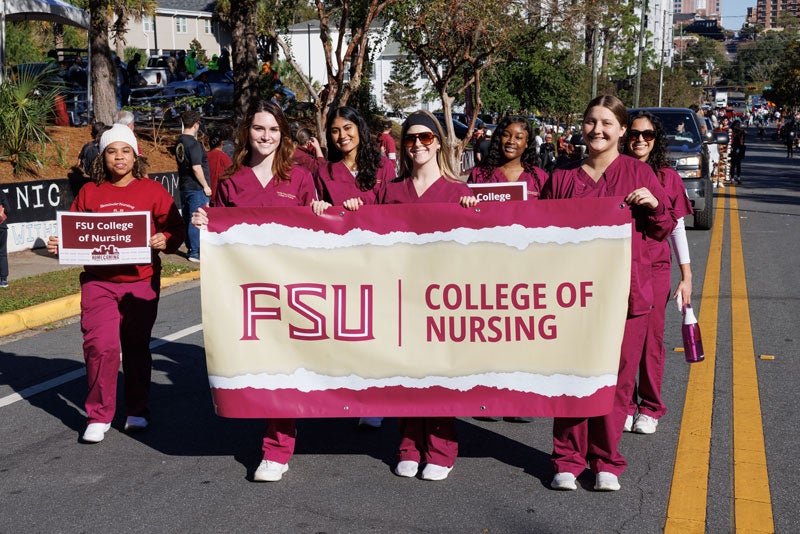
FSU Receives $10M Gift to Revolutionize Nursing Education
September 2025Bruce and Tracey Berkowitz and the Fairholme Foundation make a landmark $10 million gift to the College of Nursing — the largest in the college’s history — to expand nursing innovation and bring the undergraduate nursing program to FSU’s Panama City campus. This investment addresses the region’s critical nursing shortage and supports scholarships, advanced technologies, and research to improve health care in Northwest Florida.
-
The Herbert Wertheim Center for Business Excellence Opens with $65 Million Gift
January 6, 2026The Herbert Wertheim Center for Business Excellence opens as the largest academic building on campus and the new home of the Herbert Wertheim College of Business. Its opening marks a major milestone and celebrates a $65 million gift from Dr. Herbert Wertheim — a significant investment in the future of business education at FSU.
-
Florida State University celebrates 175 years of service to the people of Florida!
2026This milestone marks 175 years of innovation, growth, and dedication to our mission. As we reflect on our rich history and the generations who shaped our legacy, Florida State University now serves more than 44,000 students and looks ahead to the next chapter with renewed commitment to excellence and service to our community.